
Vote Safe From Ice
Know your rights, protect your neighbors
THE BASICS
President Trump is using ICE as an occupying army in our own country. If you’re reading this, you probably already know that. Trump’s Department of Homeland Security is ignoring due process, terrorizing communities of immigrants and citizens, killing immigrants in detention centers, and killing American citizens on the streets of Minneapolis in broad daylight.
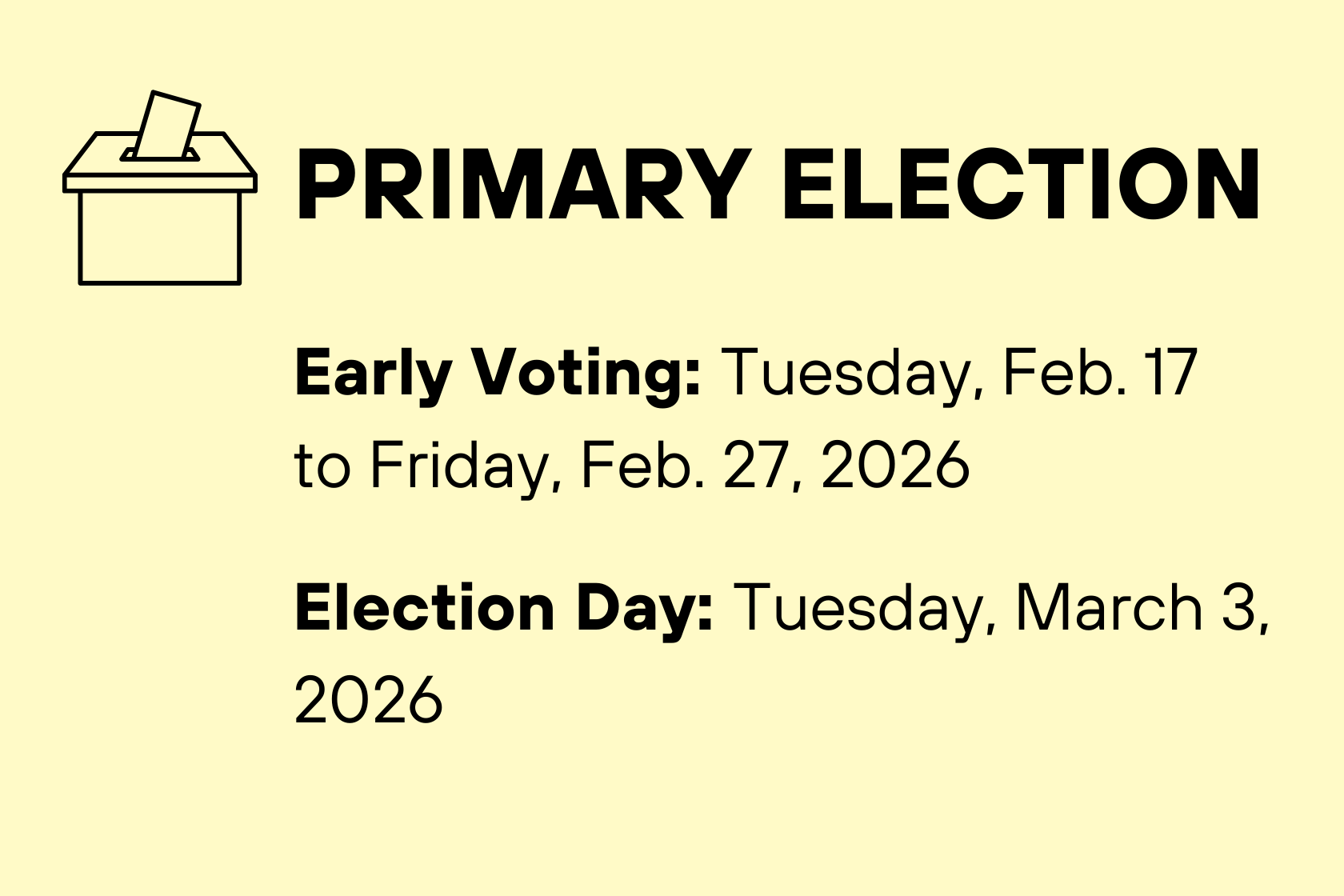
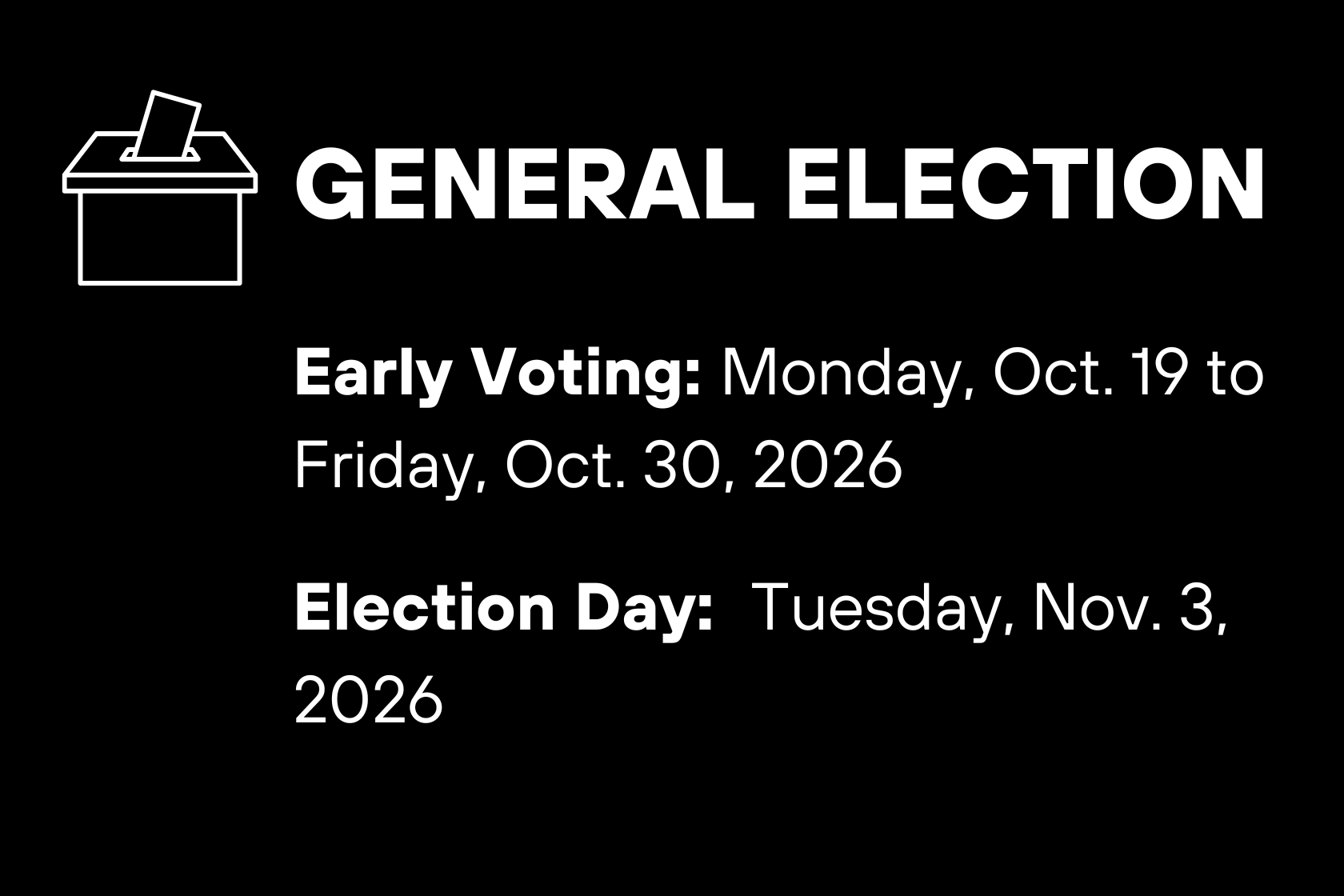
On February 5, the White House said that “they can’t guarantee that an ICE agent won’t be around a polling location in November.” There’s a chance that you could encounter federal law enforcement, including ICE agents, when you go to vote this year.
Tons of organizations—including Common Cause—are fighting back and winning in court. But the Trump administration continues to ignore courts, laws, and human decency to hurt American citizens and immigrants alike. This toolkit is for that in-between space. We’ll tell you what the law is, knowing that the Trump administration may break it, and we’ll tell you what you can do if you do see federal agents breaking the law. We’ll also tell you what our organizations are doing to fight alongside you.
Remember to stay alert, but verify. Don’t spread false information. White House Border Czar Tom Homan has said that he wants to encourage self-deportation by creating generalized fear about immigration enforcement. Posting or amplifying false reports of ICE raids can scare immigrants and their families, who deserve accurate information and robust protection. Posting or amplifying false reports of ICE at the polls can discourage people from voting and depress turnout, which hurts democracy. Prepare, use your resources, and don’t panic.
WHAT YOU SHOULD DO
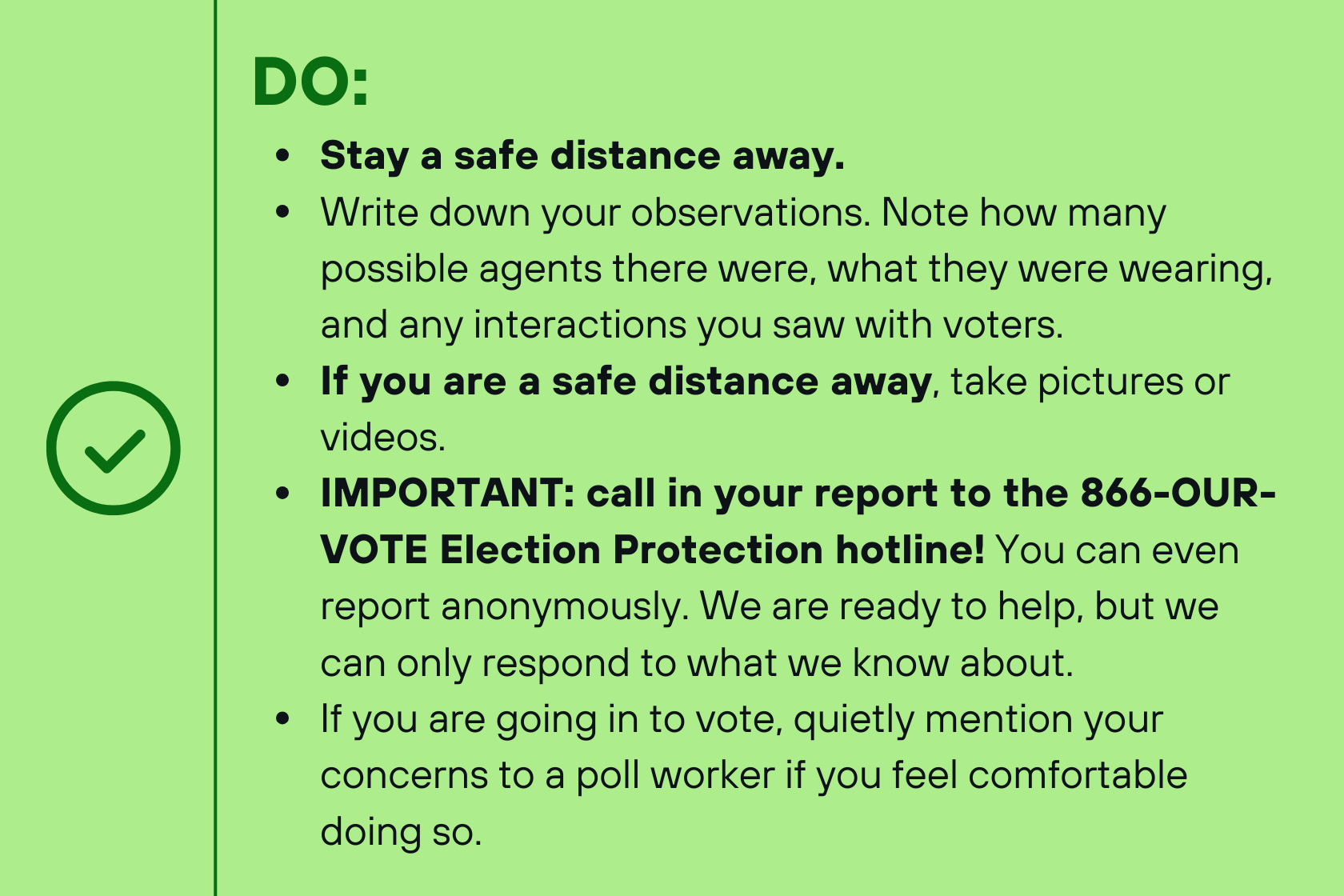
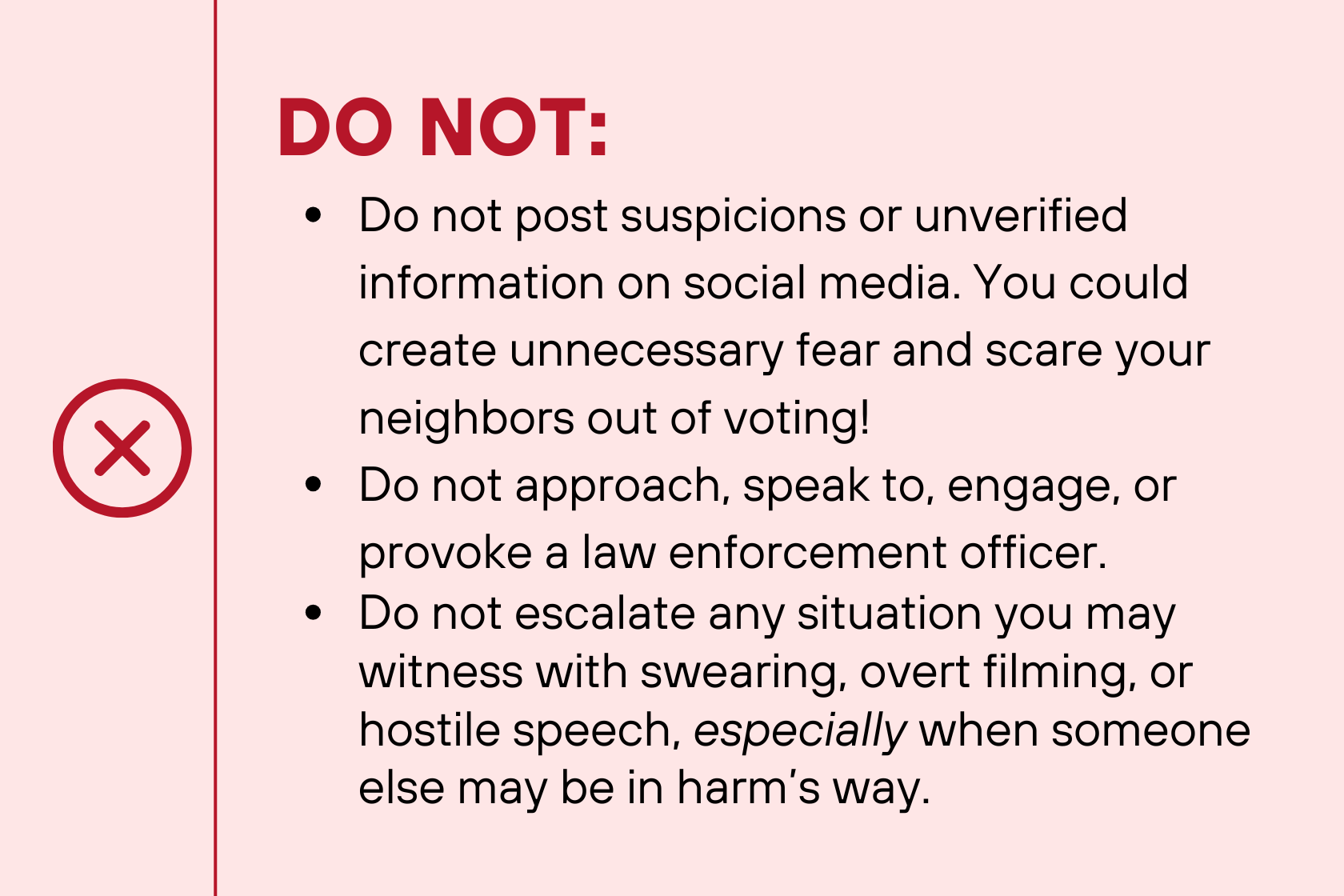
If you think you have identified ICE at the polls, here’s what you should do.
WHAT WE WILL DO
The Texas Election Protection Coalition is a group of nonpartisan, nonprofit organizations who work to protect the right to vote year-round. Our lawyers, organizers, and community advocates help to run the hotlines listed below.
First, we will verify the report to make sure that we’re not spreading misinformation. Then, we will work with county officials to prevent voter intimidation peacefully. We will share social media alerts on our networks. We will explore other legal options as needed. When you report to the Election Protection hotline, our coalition will take your report seriously. We will not stop working on the problem until we have ensured that every eligible voter is able to cast a ballot without fear.
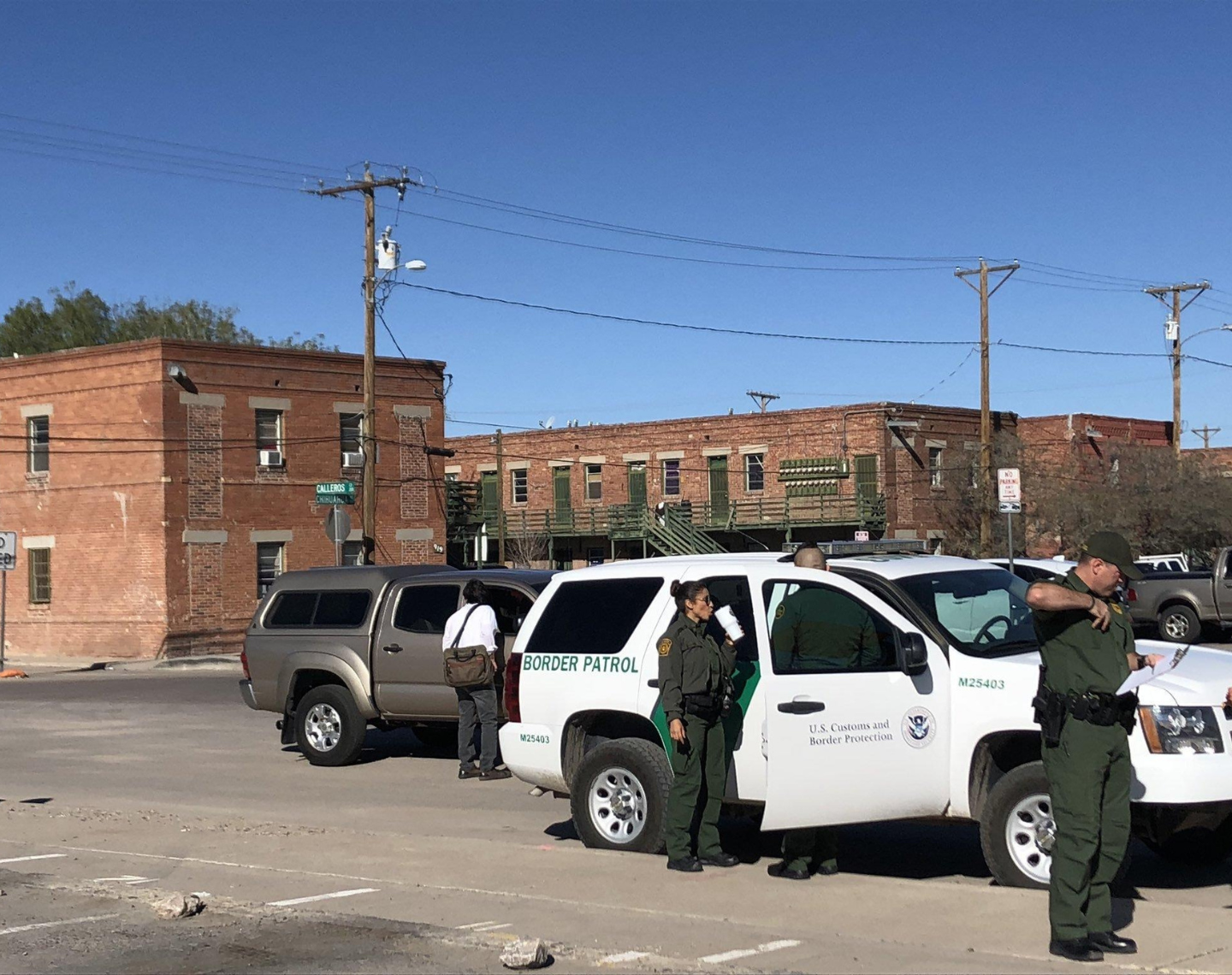
We’ve dealt with intimidation from immigration enforcement before. The morning of Election Day in 2018, an El Paso volunteer sent us this photo of CBP preparing to do a “crowd control exercise” outside a large El Paso polling place. We quickly alerted several news organizations who picked it up. Public pressure forced CBP to cancel the “exercise.” We’ve stopped Election Day intimidation before, and we are ready to do it again.
What is the law?
Voter intimidation is illegal.
- The Voting Rights Act, 52 U.S.C. § 10307(b)
- It is illegal to use actual or attempted intimidation, threats, or coercion against a person for voting or attempting to vote. It’s also illegal to use actual or attempted intimidation, threats, or coercion against a person for urging or aiding any person to vote or attempt to vote. It doesn’t matter if there was an intent to intimidate or not, as long as the effect was intimidating voters.
- The Civil Rights Act of 1957, 52 U.S.C. § 10101(b)
- It is illegal to use actual or attempted “intimidation, threats, or coercion” to interfere with a person’s right to vote in federal elections.
- The Enforcement Act of 1871 (the Ku Klux Klan Act), 42 U.S.C. § 1985(3)
- It is illegal for two or more people to conspire to use force, intimidation, or threat to deprive a person of equal protection, to hinder state officials in securing equal protection for others, or to prevent voters from engaging in lawful activity related to voting in federal elections.
- 18 U.S. Code § 594
- It is illegal for anyone, including federal agents, to intimidate voters.
- Tex. Penal Code § 36.03(a)(2)
- It is illegal to use a threat of bodily injury to influence or attempt to influence a voter not to vote or to vote in a particular manner.
- Tex. Elec. Code § 276.013(a)(1)
- It is illegal to knowingly or intentionally make any effort to influence the independent exercise of someone else’s vote during the voting process.
Polling places are protected under Texas law.
- Tex. Elec. Code § 61.003(a)(1)
- It is illegal to loiter within 100 feet of a Texas polling place during the voting period.
- Tex. Penal Code § 46.03(a)(2)
- It is illegal to bring a gun into a polling place in Texas.
- Tex. Elec. Code § 32.075(c)
- The head election worker has broad power to enforce order and preserve the peace of their polling place.
- Tex. Elec. Code § 61.001
- ICE agents are not on the finite and exclusive list of people who are allowed in a polling place while voting is happening.
It’s illegal to arrest someone in the process of voting.
- Tex. Elec. Code § 276.005
- A voter may not be arrested during the voter’s attendance at an election and while going to and returning from a polling place except for treason, a felony, or a breach of peace.
- Undocumented presence in the United States is not a felony.
- Tex. Elec. Code § 32.075(d)
- If an eligible voter is arrested at a polling place while voting or waiting to vote, they must be allowed to vote before being removed from the polling place.
It’s illegal for state officials to prevent you from voting.
- The Enforcement Act of 1871 (the Ku Klux Klan Act), 42 U.S.C. § 1983
- It is illegal for any state official to violate the constitutional rights of any person, including the right to vote, the right to equal protection, and the right to due process.
It’s illegal for officers of the U.S. military to prevent you from voting.
- 18 U.S. Code § 592
- It is illegal for any person in the U.S. civil, military, or naval service to order troops to any place where an election is held.
- 18 U.S. Code § 593
- It is illegal for any officer or member of the U.S. military to prevent or attempt to prevent any qualified voter of any State from fully exercising the right to vote in an election by force, threat, intimidation, advice, or otherwise.
- 52 U.S.C. § 10102
- It is illegal for officers of the U.S. military to interfere with the freedom of any election in any State or the exercise of the free right to vote in any State.
Election worker intimidation is illegal.
- The Enforcement Act of 1871 (the Ku Klux Klan Act) 42 U.S.C. § 1985(1)
- It is illegal for two or more people to conspire to use force, intimidation, or threat to prevent a person from “discharging any duties” related to administering a federal election, including election workers and county officials.
- Tex. Penal Code § 36.06(a)(2)(A)
- It is illegal to intentionally or knowingly harm or threaten any public servant to prevent or delay their duties.
Not even emergency powers would allow the president to override laws protecting elections and voters.
- If Trump declares a national emergency, he could unlock powers contained in 137 different laws, but none of those laws give the president authority over elections.
- The Insurrection Act would allow the president to deploy the military on U.S. soil, but even that law does not allow those troops to act illegally. They would still be subject to the laws listed above.
RECOGNIZING ICE
ICE is not the only law enforcement agency that can detain immigrants and disrupt polling place activity. Below is a snapshot of a few law enforcement agencies and how they are involved in Trump’s recent escalation.
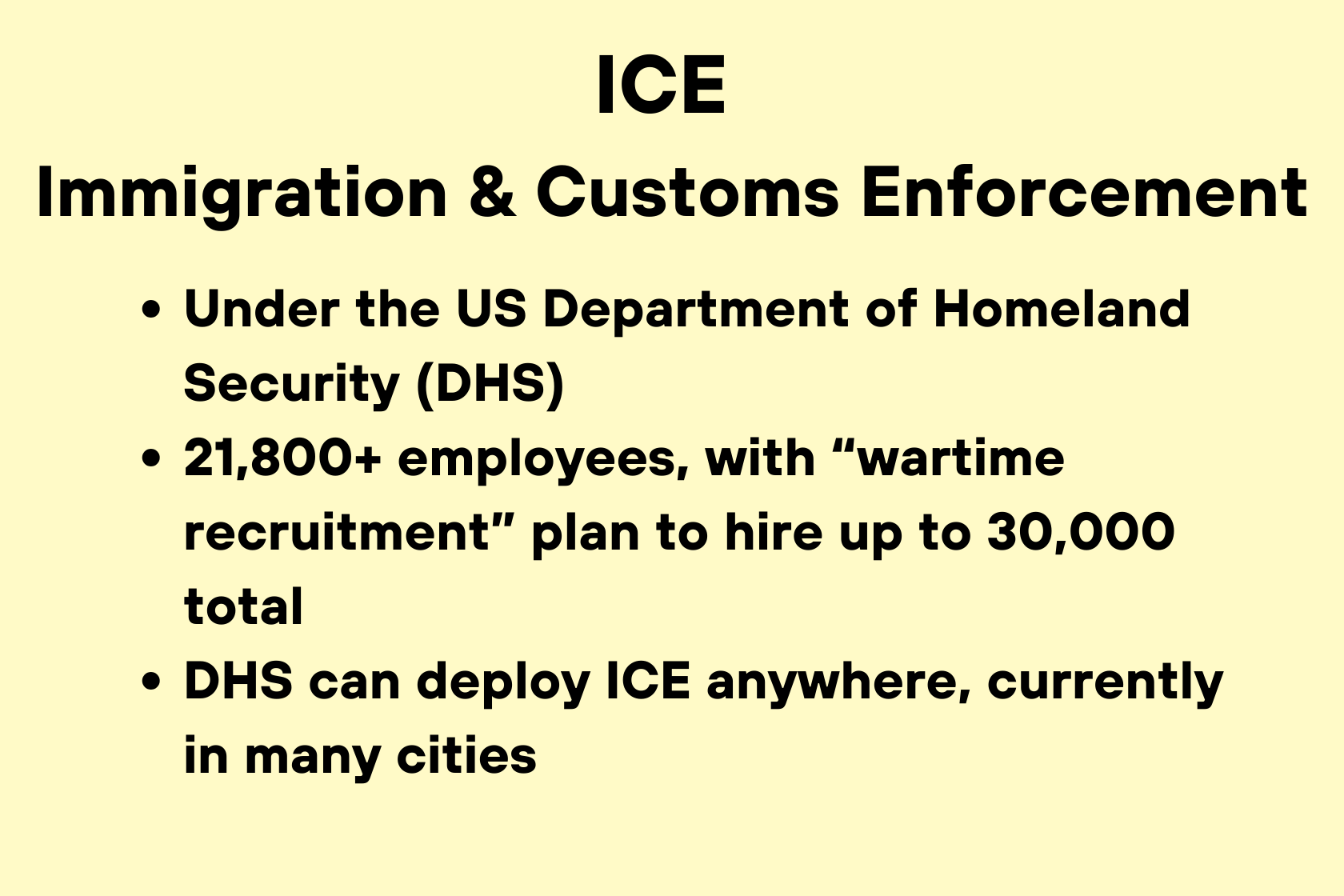
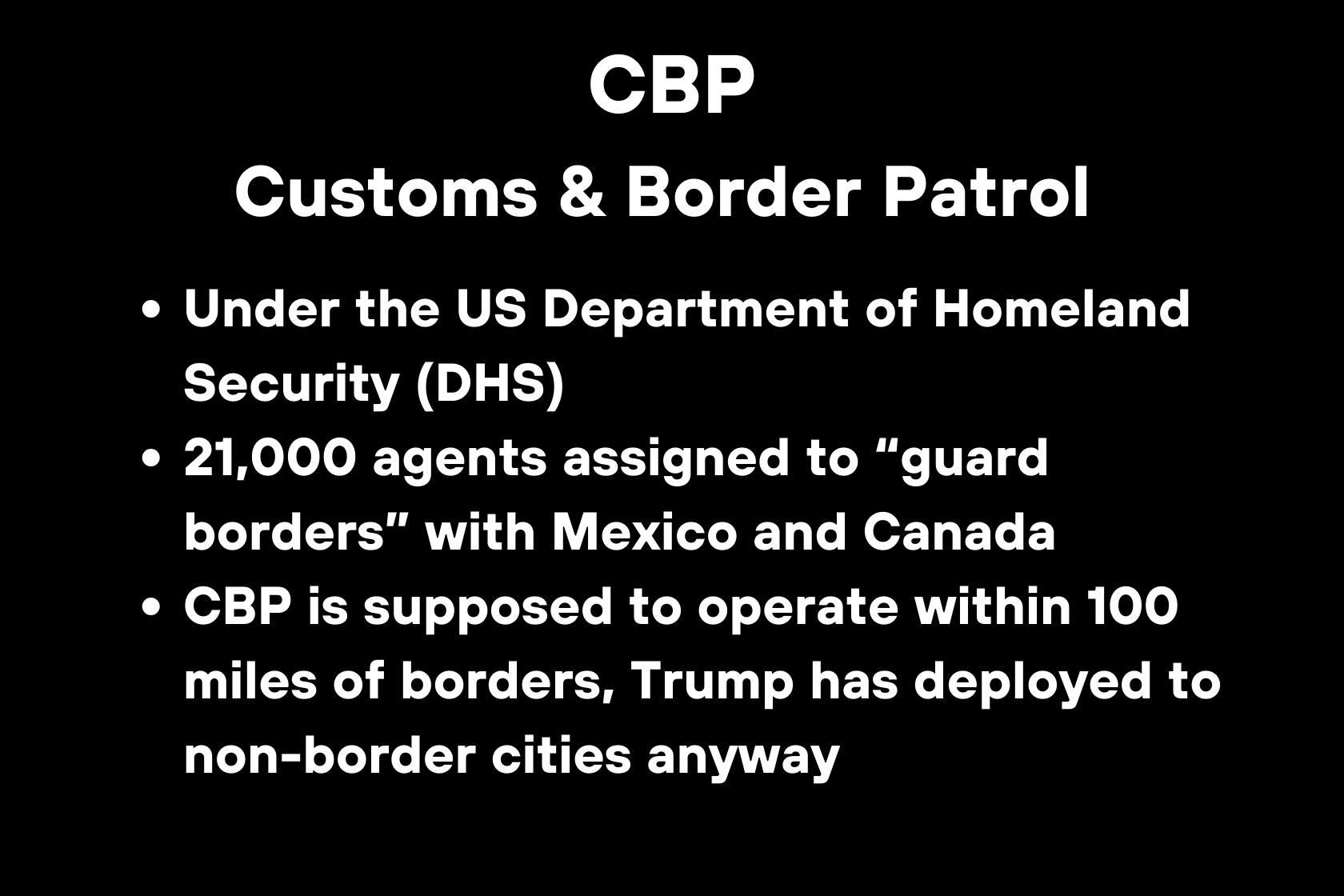
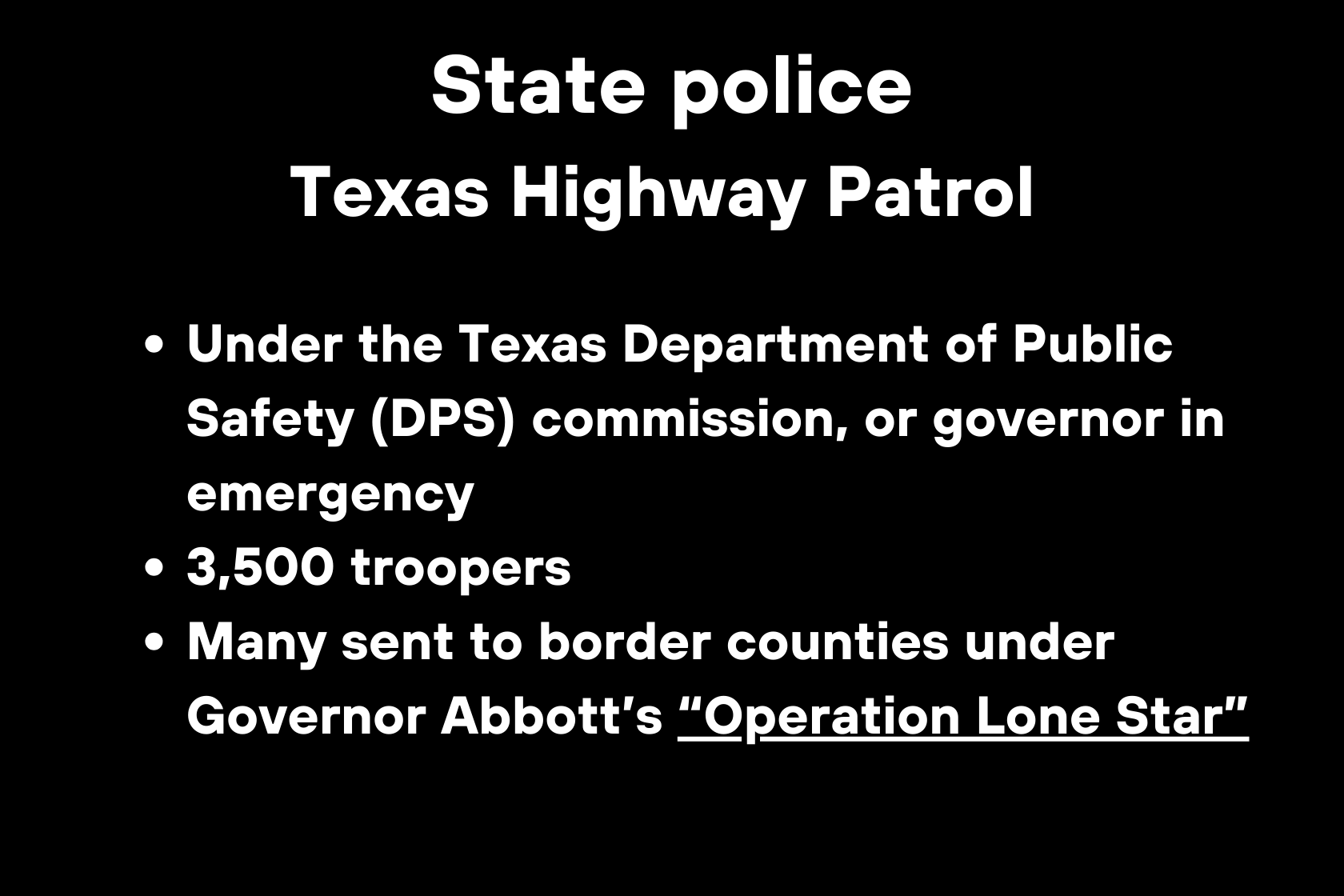
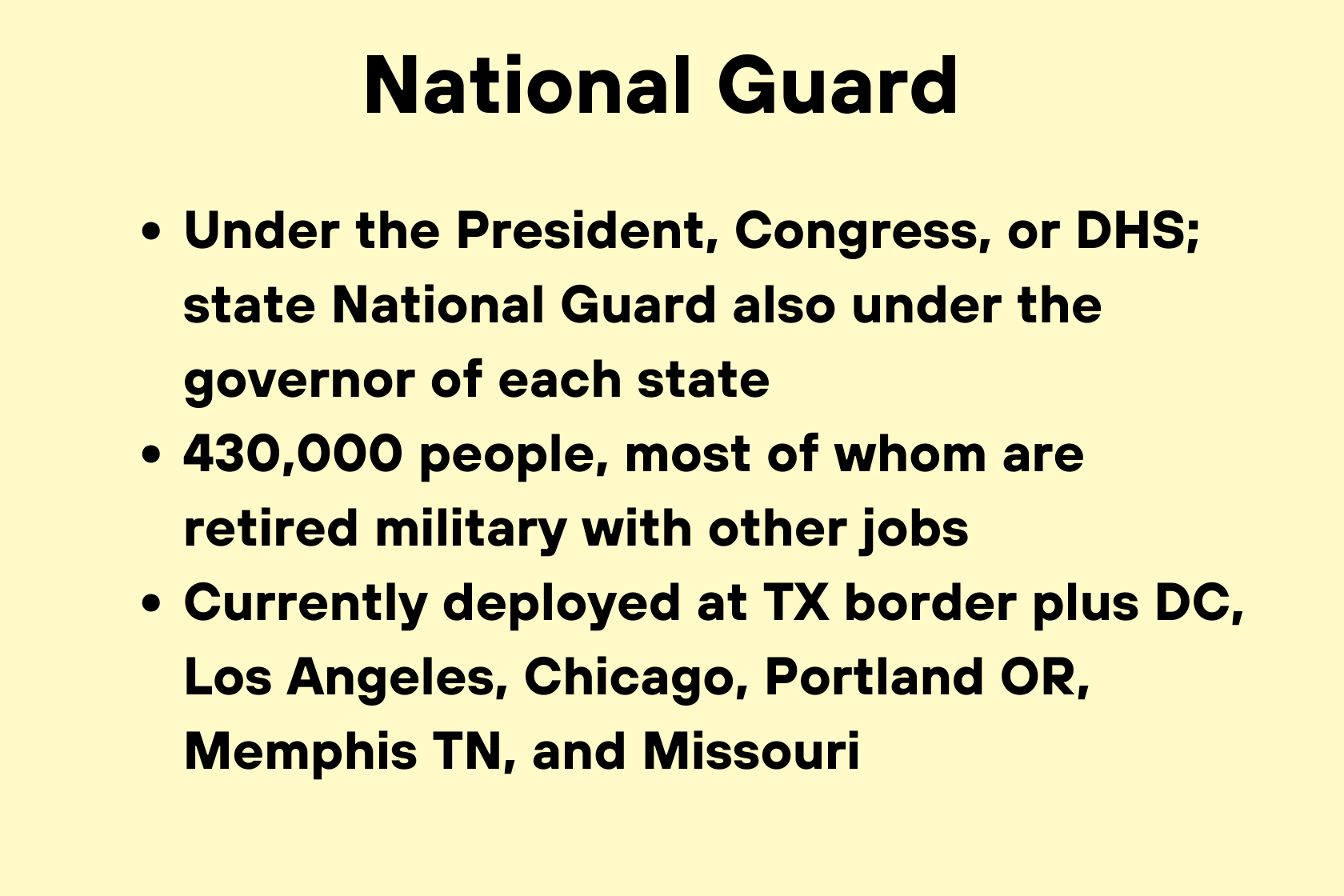
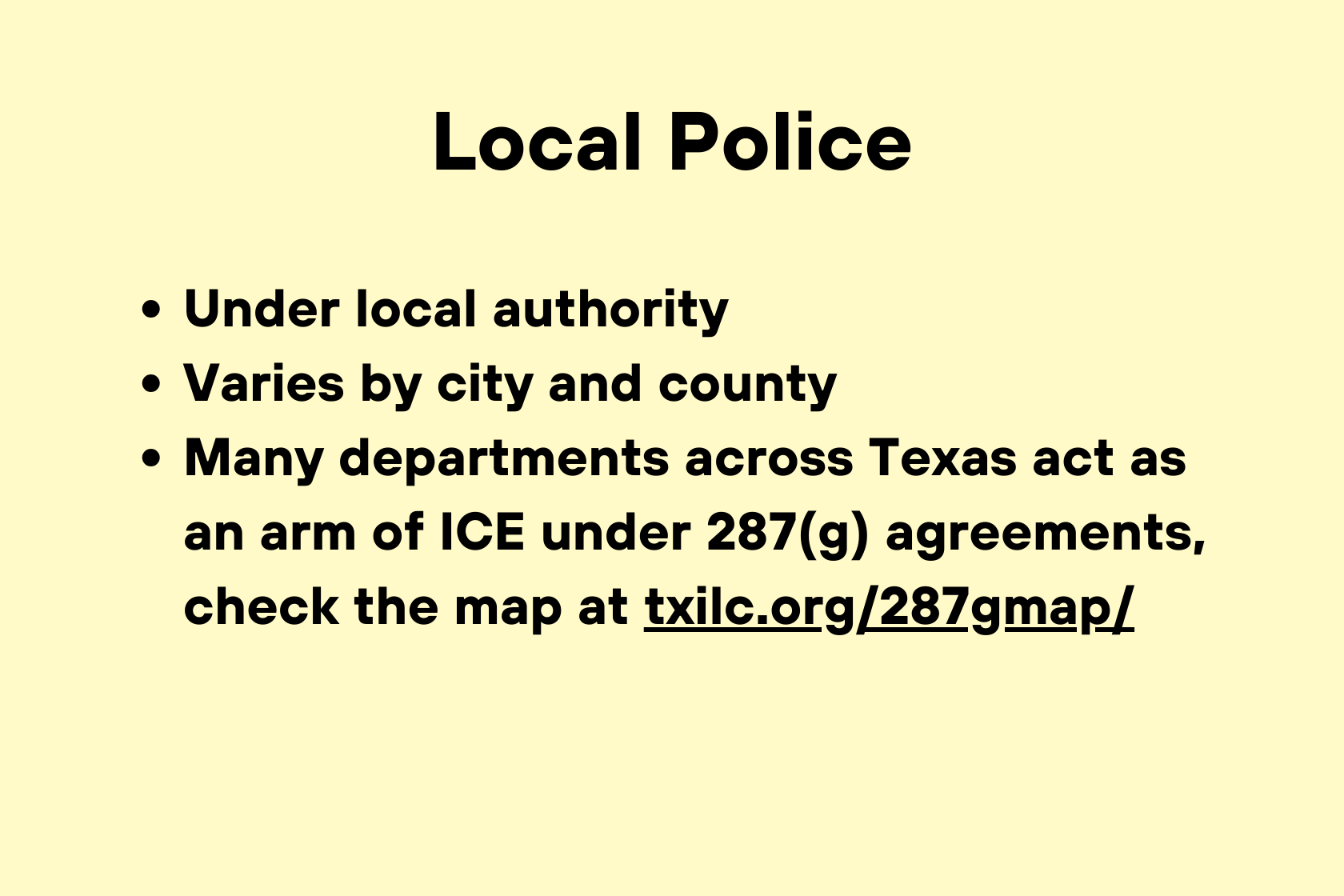
Any of these agencies might have representatives at the polls, but state and local police may not be acting in an immigration capacity. It is not unusual to see state and local police at the polls! But it is illegal for any law enforcement officer to intimidate voters.
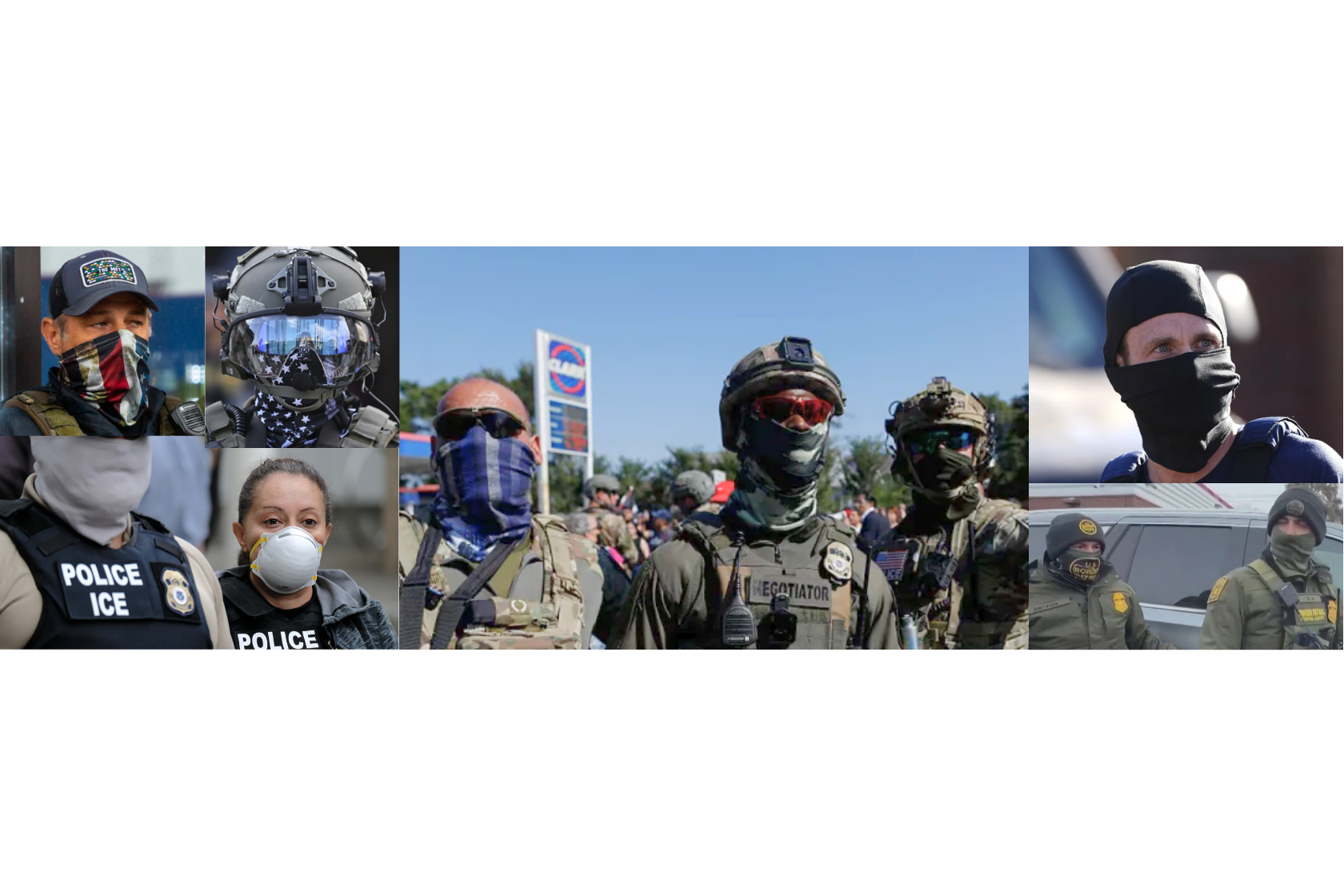
Remember: you cannot recognize an ICE agent with 100% certainty. Below are some patterns and practices we have seen on stealth raids or on the streets in other states. ICE attempts to work in secret, so they might wear any of these items or none of them. Use your best judgment and keep your eyes open.
Clothing
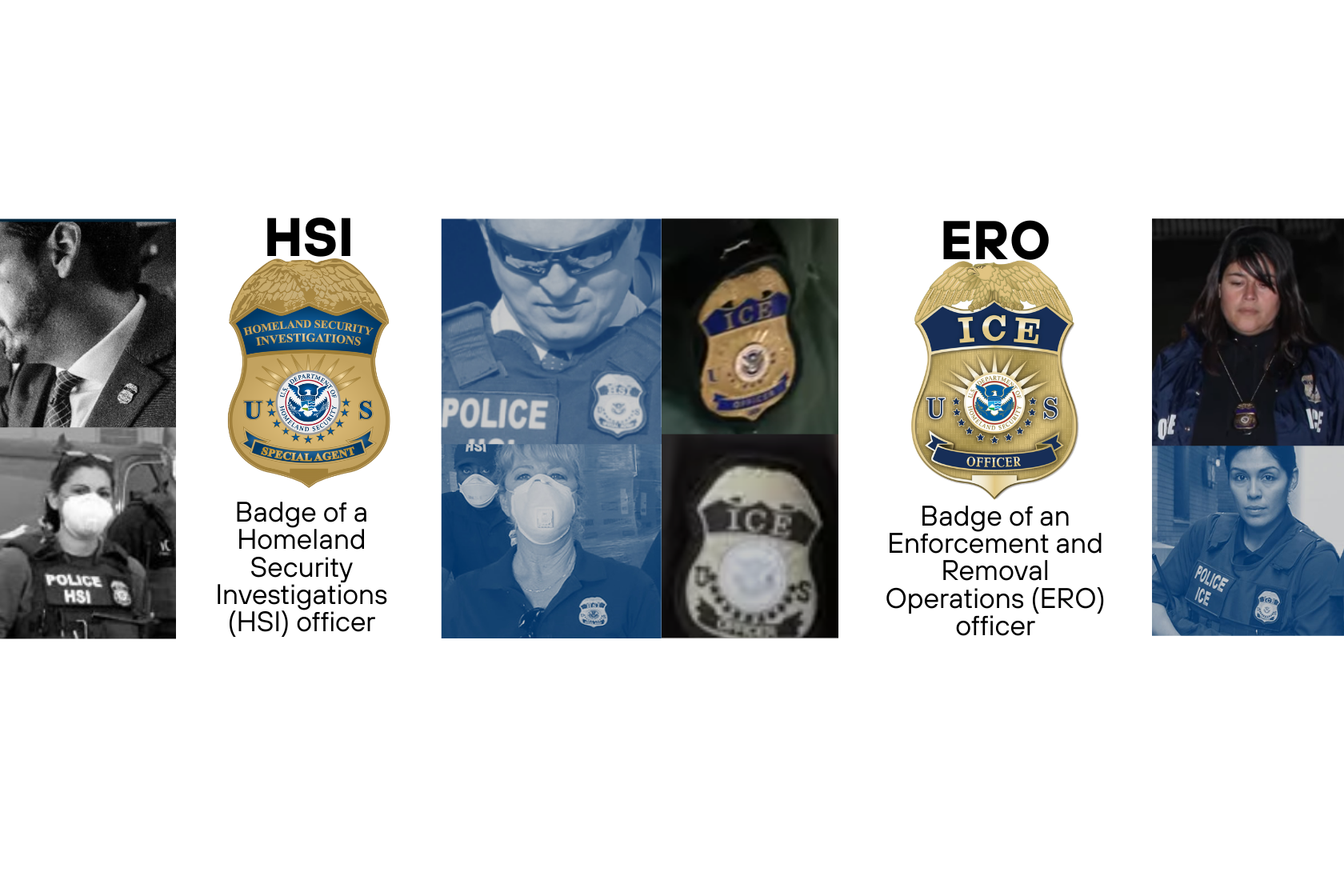
ICE agents often wear plain clothing with black or green bulletproof vests that say “POLICE” on the front or back of the vest. Vests may instead say “ICE,” “ERO” (Enforcement and Removal Operations), or “HSI” (Homeland Security Investigations). Agents may carry firearms, radios, handcuffs, nightsticks, or other police instruments. Unlike other agencies, there is no standard uniform for ICE officers. ICE agents often appear to wear black, navy, army green, khaki, or camouflage clothing.
Masks
ICE agents often wear masks. We’ve seen them hide their identities with a variety of different face coverings, but they most often wear tube-shaped spandex neck gaiters. Some ICE agents may wear an N95 respirator mask, which many civilians wear for their health. Do not assume that any person in a mask is an ICE agent.
Badges
ICE agents do not always wear badges. If they do, it may look like a traditional law enforcement badge. They may wear a pin that looks like a badge instead, or have a badge embroidered onto their shirt. Some examples are below.
Patches
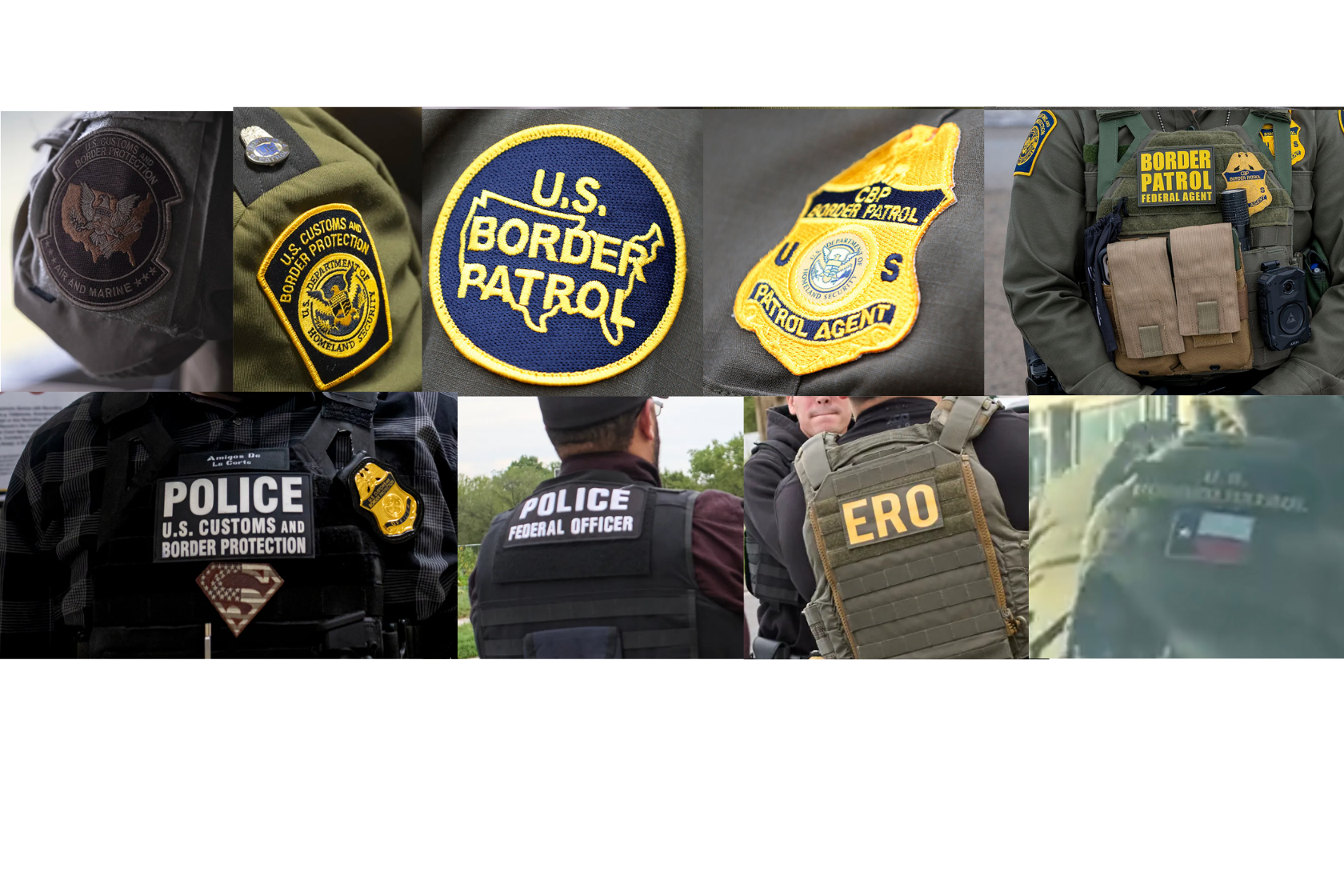
ICE agents often wear identifying patches. The Intercept created a thorough guide to immigration agency patches. Some of the most common ones are below.
Cars
ICE agents often use unmarked cars instead of regular police vehicles. Unlike local police cars, ICE cars are not required to have sirens, emergency lights, or be clearly marked as law enforcement.
Impersonators
Authorities in at least three states have arrested alleged ICE impersonators. All of the items mentioned above (or imitations of them) are available for public purchase. If you think you see ICE at the the polls, please call 866-OUR-VOTE so we can verify.
ACTIONS TO TAKE NOW
Save the hotline numbers to your phone!
- English: 866-687-8683
- Spanish: 888-839-8682
- AAPI languages: 888-274-8683
- (Mandarin, Cantonese, Korean, Vietnamese, Tagalog, Urdu, Hindi, Bengali/Bangla, and Punjabi)
- Arabic: 844-925-5287
- Disability Rights TX: 888-796-8683
Sign up to be a poll monitor!
We train an army of volunteers to go to local polling places and help their fellow voters. Sign up at this link.
Attend an ACLU of Texas training!
Learn about your right to protest, your rights regarding ICE and other law enforcement, your voting rights, and much more. Ask your questions to the great local experts at ACLU TX. Sign up at this link.
Phone bank with Common Cause!
Every Tuesday and Thursday, we make calls to our congresspeople to demand a better democracy. If you want to join us, sign up at this link.
Additional Resources
Make a Plan
- Know Your Rights: Federal Agents at the Polls (ACLU, updated 11/3/25)
- Know Your Rights: Encounters with Law Enforcement and Military Troops (ACLU, updated 9/3/25)
- Know Your Rights: If You Encounter ICE (National Immigrant Justice Center)
- Know Your Rights: What to Do if You Encounter Voter Intimidation (Campaign Legal Center, updated 10/20/20)
- Rapid ICE-Related Community Resources (Minnesota Neurodivergent Education, Advocacy, and Therapy Services): Resources designed specifically for people with verbal communication difficulties to use in case of an interaction with ICE or other law enforcement
Learn the Law
- Explainer: Federal and State Election Laws Ban Federal Forces from Polling Places (Brennan Center, updated 2/10/26)
- Memo: Authorities Governing the Deployment of Federal Law Enforcement during the Election and Post-Election Season (National Task Force on Election Crises)
- Memo: Preventing and Responding to Illegal Armed Voter Intimidation and Election Interference (Everytown Law)
Support Your Neighbors
- Become a pro bono attorney for the National Immigrant Justice Center
- Become a pro bono attorney or law student volunteer for the ABA’s Children’s Immigration Law Academy
- Volunteer to translate for National Immigrant Justice Center clients
- Become a Volunteer Child Advocate for the Young Center for Immigrant Children’s Rights
- Donate to: