
Article de blog
President Trump’s Performance Review: Failure
A little over a year into President Trump’s second term, and with a 36% approval rating, it's about time for a performance review. Let’s see how we got here.
Article de blog
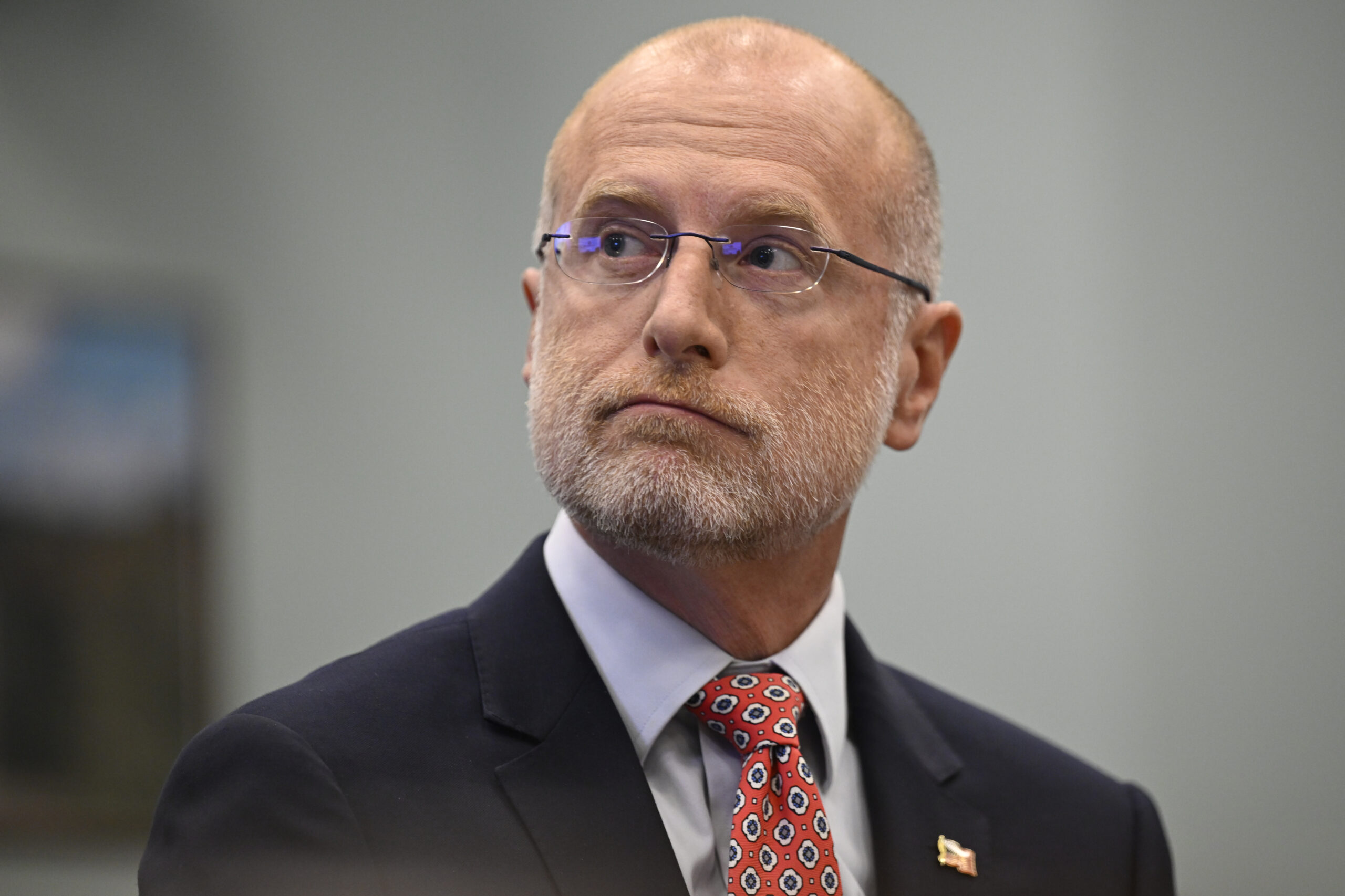
The Federal Communications Commission (FCC) is supposed to protect the public interest, making sure our airwaves and media stay fair and open.
But FCC Chairman Brendan Carr has abandoned that mission in favor of Trump’s authoritarian agenda.
Voici five things you need to know about Carr and why his actions should alarm anyone who cares about freedom of speech and corporate accountability.
Carr crossed a major red line when after late-night host Jimmy Kimmel made some critical jokes about Trump on air, he publicly threatened Disney (ABC’s parent company): “We can do this the easy way or the hard way.”
Hours later, Disney pulled Kimmel’s show off the air indefinitely. Trump cheered the move, calling it “Great News for America.”
Common Cause members joined concerned Americans across the country to successfully speak out against Carr’s attack, because no government official should be able to silence critics by threatening their employers. In response to the immense pressure, ABC and its affiliates have put Kimmel’s show back on the air.
Carr has been at the FCC for years, but his recent rise to Chairman came directly from Trump. He’s not just there to execute Trump’s agenda – he actually helped write it. Carr authored the section on the FCC in Projet 2025, the sweeping conservative playbook for stripping away our civil rights and reshaping government.
As FCC chair, he has made going after Trump’s political opponents and the free press a number one priority.
One of Carr’s jobs as Trump’s FCC chair has been to target media outlets that have been critical of the president. Since Trump took office, Carr has opened FCC investigations into every major broadcast network in the nation, with the notable exception of Fox, which is owned by Trump ally Rupert Murdoch.
This has included opening an investigation into Disney and ABC this spring in retaliation for adopting DEI policies, as well as investigating PBS and NPR, public media outlets that Carr has vocally supported defunding.
These investigations are not about protecting the public interest – they are intended to intimidate et silence the members of the press that dare to report stories that are critical of Trump and his administration.
Earlier this year, while the FCC was reviewing a major merger between CBS’s parent company, Paramount, and Skydance, Trump was locked in a legal fight with CBS over 60 Minutes. Carr publicly warned that the lawsuit would factor into his decision on the merger—effectively threatening Paramount to fall in line.
With the merger’s approval hanging in the air, CBS settled with Trump for $16 million, despite First Amendment advocates overwhelmingly calling his lawsuit “frivolous” and many people urging the heads of CBS and Paramount to stand up for their journalists.
Late night host Stephen Colbert mocked the settlement on air, calling it a bribe — CBS canceled The Late Show with Stephen Colbert just days later.
The FCC has long limited how much of the TV market one company can control. For decades, Republican and Democratic leaders alike have kept the “39% rule,” which caps how many households one broadcaster can reach.
But now, Carr is pushing to weaken or eliminate that rule, opening the door for companies like Nexstar, the nation’s largest TV station owner, to swallow up even more of the market. If Nexstar’s planned takeover of Tegna goes through, one company could reach 80% of U.S. households. That’s bad for competition, bad for independent voices, and bad for democracy.
Carr’s priorities are clear: he wants to use government power to reward allies, intimidate critics, et help major corporations grow even bigger. Instead of defending free speech and fair competition, he’s turned the FCC into a political weapon.
Article de blog
Article de blog
Article de blog