
Entrada de blog
Five Stories: The People Who the Save Act Could Stop from Voting
If any of these bills become law, they will prevent U.S. citizens, who currently vote, from being able to vote in the future.
Entrada de blog
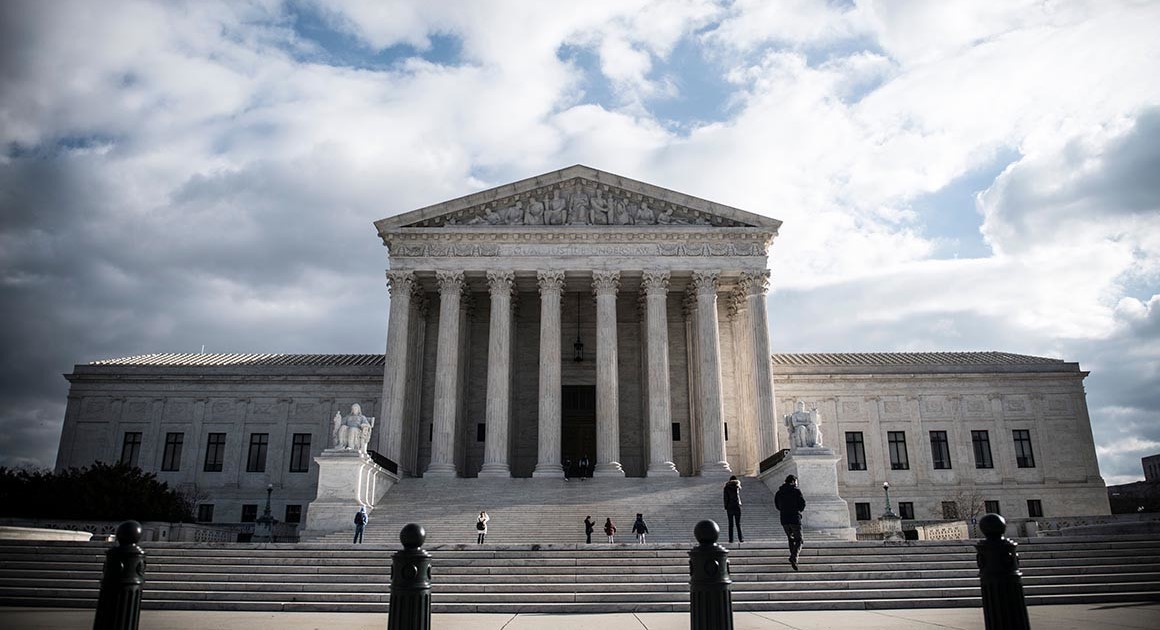
The Supreme Court heard arguments on Louisiana v. Callais last week about a key part of the Voting Rights Act (VRA), the landmark civil rights law that has protected voters from racial discrimination for 60 years.
If the Court rules for Louisiana , it would erase one of the only effective tools we have to stop racial gerrymandering and voter suppression. This means that fair representation in our country is in serious jeopardy.
Before the Voting Rights Act (VRA) was passed in 1965, many states openly blocked Black Americans and other minority groups from voting. They used poll taxes, literacy tests, and other tricks to make sure that only white voters had access to the voting booth, and by extension, to political power.
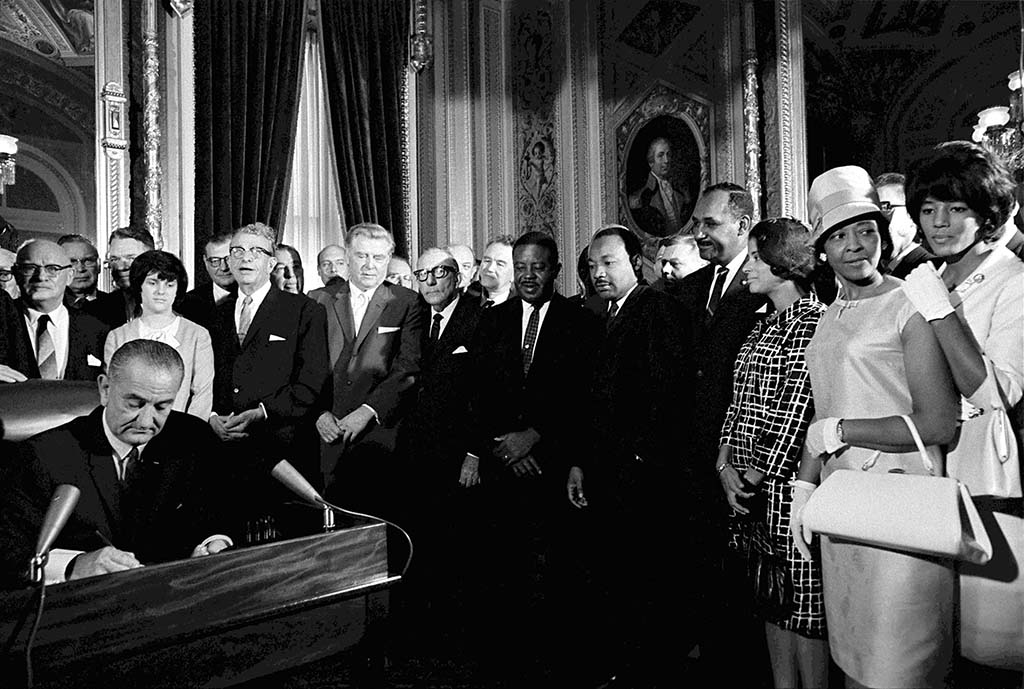
After years of marches and protests by civil rights activists, Congress finally acted. President Lyndon B. Johnson signed the Voting Rights Act into law to make sure that every American, regardless of race, could have an equal say in our democracy.
The law worked. The Voting Rights Act became one of the most successful civil rights laws in U.S. history by removing barriers that kept people from voting and giving citizens the right to challenge racially discriminatory gerrymandering.
This led to the election of hundreds of candidates of color in places where, for generations, discrimination had made it impossible.
Over the past decade, the Supreme Court has chipped away at the Voting Rights Act.
En Condado de Shelby contra Holder (2013), the Court struck down preclearance, which had required states with a history of racial discrimination to get federal approval before changing their voting laws. Eight years later, Brnovich v. Democratic National Committee made it harder to challenge those laws in court under Section 2, which lets voters sue when their right to vote is restricted because of race, color, or language minority status.
Now, the justices are deciding a case that could go even further, potentially gutting Section 2, the heart of the Voting Rights Act’s remaining protections.
Section 2 gives voters the power to challenge racial discrimination in elections — including vote dilution, when district lines are drawn to pack, split up, or weaken minority communities. For decades, it has ensured that voters of color can elect candidates who represent them.
But during oral arguments this month in Louisiana v. Callais, several justices suggested lawmakers should not consider race at all when drawing maps — even to prevent discrimination. Without Section 2, voters would lose a crucial safeguard against racial gerrymandering.
If the Court strikes down or weakens Section 2, the impact will be enormous. States could redraw maps that silence voters of color, and there would be almost no legal way to stop them.
Voting rights advocates warn that such a decision could push our democracy toward single-party rule and strip millions of Americans of fair representation.
Como Stacey Abrams dijo El Atlántico, “We will not have free and fair elections in this country going forward if they are permitted to strike down the Voting Rights Act, because what you are saying is that for the vast majority of people of color in this country, you will not be permitted to have access to a truly representative democracy.”
Some argue that the Voting Rights Act has done its job and is no longer needed. But history proves otherwise. Every time we’ve made progress toward equal representation, efforts to roll it back have followed.
In her Shelby contra Holder dissent in 2013, Justicia Ruth Bader Ginsburg prevenido that weakening the Voting Rights Act “when it has worked and is continuing to work to stop discriminatory changes is like throwing away your umbrella in a rainstorm because you are not getting wet."
That warning still rings true. This year, Texas has passed a new congressional map that reduces the power of voters of color — a map that is now being challenged under the very section the Court is threatening to erase.
The Voting Rights Act remains one of the strongest tools we have to ensure our democracy works for everyone. Losing it would undo decades of progress and open the door for discrimination to return unchecked.
The Supreme Court’s decision in Louisiana v. Callais could be one of the most consequential for voting rights in our lifetime. If Section 2 falls, it will mark a turning point in our country, one in which we step away from the pursuit of a democracy that truly represents all Americans.
Common Cause will continue to fight for a democracy where every voice counts equally. The threat is real, and the time to pay attention is now.

Campaña de cartas
Entrada de blog
Entrada de blog
Entrada de blog