
Entrada de blog
Historia viva: la primera persona de color en dirigir la Oficina del Censo espera confirmación
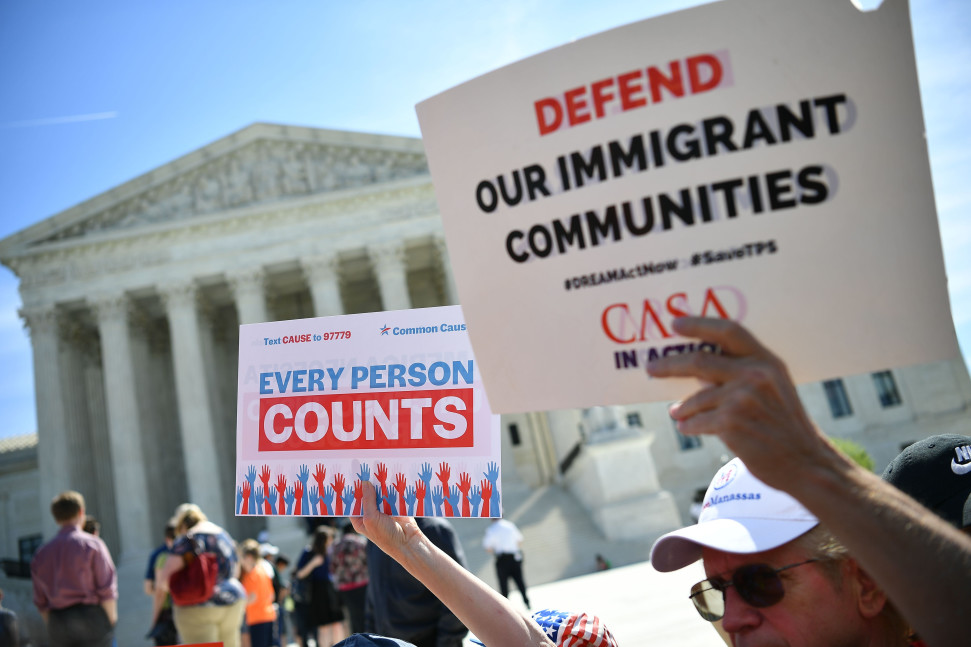
After more than 100 years of counting Americans, the U.S. may finally have a permanent Census Bureau Director that is a person of color. Yesterday, Robert Santos, who is Mexican-American, sat before the Senate Homeland Security and Governmental Affairs Committee as the first person of color to be nominated as Census Bureau Director.
Not only is this a historic day for our nation, and representative government, but having a person of color leading the nation’s top statistical agency is significant on many levels.
A pesar de que nuestra población es cada vez mayor, las comunidades de color y las comunidades inmigrantes están continuamente subcontadas en el censo. Esto significa que a menudo perdemos poder político e influencia, y financiación comunitaria para hospitales, nuevas escuelas y reparaciones de carreteras. En la última década, vimos importantes subconteos en el censo a pesar de que se considera el censo más preciso de la historia. El censo de 2010 no incluyó a los contables. 2.1 percent of black people and 1.5 percent of Hispanics — accounting for about 1.5 million people not counted. This most recent census will likely see similar reports, (when the Census Bureau delivers the results of its post-enumeration survey) given the COVID-19 pandemics and deliberate efforts by the La administración Trump no contará a las comunidades de color.
The Census is critical to helping our communities, businesses, and people across the nation to ensure that they have the information and resources they need to thrive. Article One, Section Two of the Constitution legally obligates Congress to conduct a censo regular para empoderar all Americans — not just those that can afford to be counted. But since the first census in 1790, the decennial census has been plagued by political influence. We did not count Native Americans until 1900 and our nation’s original sin, the fractionalizing of enslaved Africans as three-fifths of a person, just enough to placate Southern states’ concerns about disproportionate Northern power in the new Congress, but not enough to consider them whole persons. That mathematical compromise at our founding continues to plague us through as the same white supremacist thinking shows up as overt attempts by the previous administration to blanquear el censo y contar sólo a los ciudadanos en edad de votar. ¿Es de extrañar que, con una historia que maltrata, subestima o descarta por completo la humanidad de las comunidades de color, muchos de los que viven en estas comunidades desconfíen del gobierno, por lo que se requiere un esfuerzo adicional para ayudarlos a sentirse cómodos al ser contados en el censo?
But Every American deserves to have their voice heard and to be counted in selecting the people and policies that will determine the future of our families. That starts with a fair and reliable census. In order for our vote to be truly counted accurately, we need fair districts, which require an accurate and fair census count. Reliable census data is essential to creating districts where everyone is counted equally. During Mr. Santos’ opening remarks, he described his Mexican-American heritage and his family’s struggle towards the American dream. We can only hope that a Census Bureau Director from the fastest growing and most undercounted communities and his long career in statistical methodologies, will help set policies that will assist in ensuring that Latinx communities and all communities of color are fully represented in this decade’s census count and everyone moving forward in a democracy that finally works for all of us.